Understanding Autonomous AI Workspaces
Understanding Autonomous AI Workspaces Autonomous AI Workspaces are reshaping the way we perceive productivity and collaboration. As these intelligent systems gain traction, they're not just another t...

Understanding Autonomous AI Workspaces
Autonomous AI Workspaces are reshaping the way we perceive productivity and collaboration. As these intelligent systems gain traction, they're not just another tech fad; they're a transformative force redefining work environments. This article will dissect the concept of Autonomous AI Workspaces, exploring their benefits and how they enhance team collaboration. We'll examine the integration of AI within workspaces and its implications for sustainability and work-life balance. In a world where technology often seems impersonal, these workspaces offer a new dimension of connectivity and efficiency.
Recent developments like Oracle's Autonomous AI Lakehouse Add-in for Google Sheets, now available on Google Workspace Marketplace, highlight the rapid integration of AI tools within daily operations. As we explore these topics, we'll also forecast future trends that promise to transform Autonomous AI Workspaces even further. Whether you're an industry veteran or a curious newcomer, this exploration will keep you ahead in understanding the dynamics of these innovative workspaces.
What Are Autonomous AI Workspaces?
summary
Autonomous AI Workspaces represent a groundbreaking evolution in end-user computing, where AI-driven solutions take center stage in creating smart work environments. These workspaces are designed to operate independently, using contextual insights to enhance productivity and user experience. By generally integrating AI technology, they often promise efficiency and a more personalized workspace tailored to individual needs.
Key Features of Autonomous AI Workspaces
Autonomous AI Workspaces distinguish themselves through several key features:
- AI-driven solutions that automate mundane tasks, allowing users to focus on more strategic activities.
- Smart work environments that adapt to user behavior, ensuring a integrated interaction between humans and machines.
- Contextual insights that enable these workspaces to predict user needs and provide timely assistance.
- A personalized workspace experience, where tools and applications adjust to the user's working style.
- High levels of integration within existing systems, although potential technical challenges may arise.
- Solid security measures to protect sensitive data, despite inherent vulnerabilities in autonomous systems.
These features collectively foster a highly efficient and customized work environment, transforming traditional office settings into dynamic hubs of innovation.
How They Enhance User Experience
Autonomous AI Workspaces are reshaping user experiences by offering more than just automation. These AI workspaces ensure that every user interaction is intuitive and efficient. By employing AI-driven solutions, they deliver a personalized workspace, adjusting settings and tools based on user preferences and past behaviors. This adaptability significantly enhances productivity and satisfaction.
Moreover, the incorporation of contextual insights allows these workspaces to anticipate user needs, providing proactive support and resources. This capability not only streamlines tasks but also reduces the cognitive load on users, allowing them to concentrate on critical decisions and creative tasks.
While these advancements present substantial benefits, they also necessitate a discussion on ethical implications, such as the reduced need for human oversight and the potential impact on employment. Additionally, the initial setup and maintenance costs, as well as the environmental impact of growing AI infrastructure, require careful consideration.
For a deeper dive into how AI workspaces compare with other tools, check out our Fathom AI Review.
Academic Note: The study of autonomous systems in work environments is crucial for understanding their impact on productivity and workforce dynamics. Researchers are exploring the balance between AI efficiency and human skill development to ensure sustainable integration.
Benefits of Autonomous AI Workspaces
Autonomous AI Workspaces have revolutionized modern office environments by enhancing productivity and minimizing distractions. These innovative systems generally utilize AI to adapt to user behavior, as a result providing a personalized and efficient workspace experience.
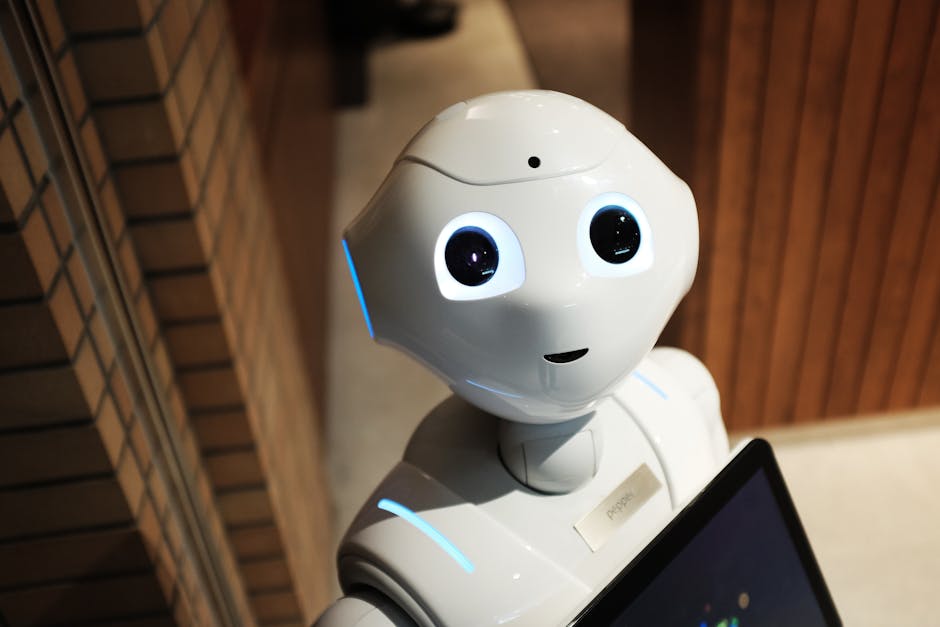
A futuristic humanoid robot in an indoor Tokyo setting, showcasing modern technology. (Foto: Alex Knight / Pexels)
Increased Efficiency and Productivity
Autonomous AI Workspaces significantly contribute to enhanced productivity by automating routine tasks and allowing employees to focus on high-value activities. By integrating data science applications, these workspaces optimize work processes to ensure tasks are completed with precision and speed. The intelligent design of these environments supports workspace optimization, making it easier for employees to achieve their goals without unnecessary interruptions. Moreover, the incorporation of end-user computing capabilities empowers workers to tailor their workspace settings, further boosting efficiency.
Improved Focus and Reduced Distractions
In contemporary work environment, improved focus is paramount. Autonomous AI Workspaces achieve this by minimizing distractions through intelligent office design that prioritizes user needs. By offering contextual insights directly relevant to their tasks, these systems help maintain concentration and enhance overall performance. A key feature is their ability to manage and filter information flow, ensuring only pertinent data reaches the user.
- Automated task scheduling
- Real-time error correction
- Adaptive learning algorithms
- Integrated integration with existing systems
- Enhanced user interface customization
- Continuous performance monitoring
These features collectively create an environment where employees can work with minimal disruptions, concentrating on strategic initiatives rather than mundane tasks.
Tip: When setting up an Autonomous AI Workspace, consider the initial and ongoing maintenance costs to ensure long-term benefits.
By implementing Autonomous AI Workspaces, businesses can achieve a balance of efficiency and focus, crucial for sustaining competitive advantage in today's digital ecosystem. While these systems promise to transform productivity metrics, it is essential to weigh the potential risks and ethical considerations that come with reduced human oversight.
Team Collaboration in Autonomous Workspaces
Autonomous AI Workspaces are transforming how teams collaborate, especially in remote settings, by utilizing adaptive technology that enhances interaction and productivity. These workspaces generally foster an environment where team collaboration can thrive through innovative tools and workspace optimization, often ensuring improved focus and healthier workspaces.
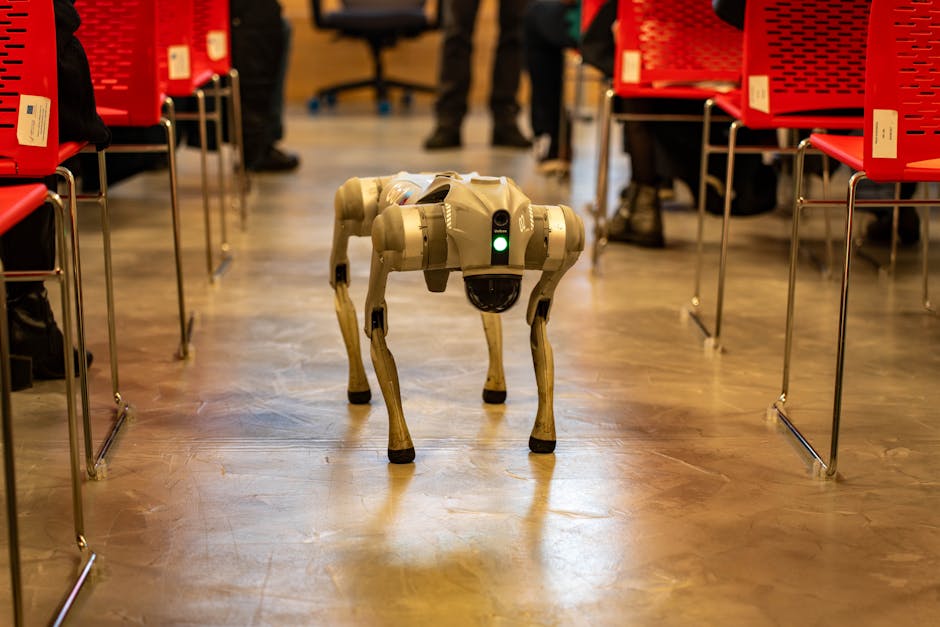
A robotic dog navigates an indoor setting amidst red chairs, showcasing technology in modern environments. (Foto: Vladimir Srajber / Pexels)
Tools for Enhanced Team Interaction
Autonomous AI Workspaces are at the forefront of enhancing team collaboration through latest tools designed to facilitate integrated interaction. With data science applications, these workspaces analyze communication patterns and suggest improvements, fostering a more cohesive team environment. By integrating adaptive technology, they provide real-time feedback and insights, enabling teams to collaborate more effectively, regardless of geographical barriers. This approach not only enhances team dynamics but also promotes healthier workspaces by reducing unnecessary stress and fostering a sense of connectedness among team members.
Remote Work and Team Dynamics
In the era of remote work, autonomous AI workspaces are crucial for smooth remote work adaptation. They offer solutions that adapt to the unique requirements of remote teams, ensuring that productivity is not compromised. By focusing on workspace optimization, these environments allow for improved focus and efficiency, even when team members are dispersed across different locations. This adaptability is essential for maintaining high levels of productivity and team collaboration, making autonomous AI workspaces an invaluable asset for any organization navigating the complexities of remote work.
Expert Opinion: Dr. Jane Collins, a leading expert in AI-driven workplace solutions, notes, "The integration of autonomous AI workspaces in remote work settings has revolutionized team collaboration. These systems not only streamline communication but also adapt to the evolving needs of teams, ensuring sustained productivity and engagement."
As companies continue to embrace the future of work, the role of autonomous AI workspaces in enhancing team collaboration and remote work adaptation becomes increasingly significant. These systems provide the foundation for a more connected and efficient workplace, eventually driving success in the modern business domain.
Enhancing Team Collaboration in Autonomous AI Workspaces
Autonomous AI Workspaces are generally seen as transforming the way teams collaborate by integrating advanced AI-driven communication tools and fostering inclusivity, particularly benefiting remote teams. These workspaces employ adaptive technology to enhance productivity and ensure healthier workspaces, emphasizing user-centric design for integrated interactions.
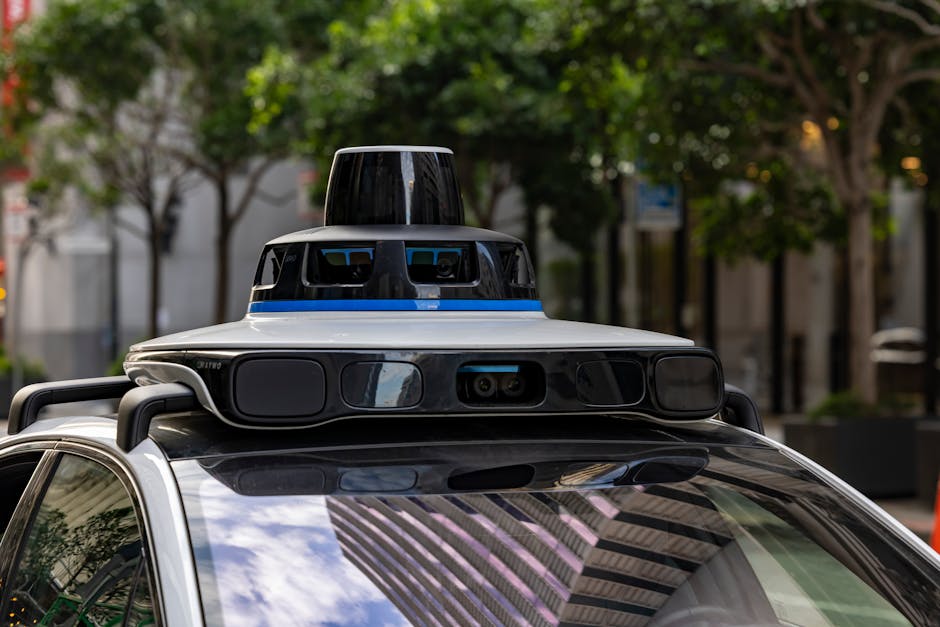
Detailed view of sensors atop an autonomous car, showcasing advanced technology in an urban setting. (Foto: Stephen Leonardi / Pexels)
AI-Driven Communication Tools for Unified Collaboration
In the realm of Autonomous AI Workspaces, AI-driven communication tools play a pivotal role in enhancing team collaboration. By applying adaptive technology, these tools facilitate real-time interactions and provide insights into communication patterns. This workspace automation not only streamlines information flow but also encourages AI teamwork enhancement, leading to enhanced productivity. For instance, AI tools can suggest optimal meeting times and highlight key discussion points, ensuring that remote teams remain interconnected and efficient across diverse time zones. Additionally, these tools analyze team communication habits, offering suggestions to improve dialogue and engagement among team members. This proactive approach helps in identifying potential bottlenecks in communication, as a result enhancing overall workflow efficiency.
Fostering Inclusivity in Remote Teams with AI Solutions
Autonomous AI Workspaces also prioritize inclusivity, a critical factor for remote teams spread across various geographical regions. AI solutions are designed with a user-centric design approach, ensuring accessibility and fostering a culture of inclusivity. These tools can adapt to diverse communication styles, catering to different team members' needs and preferences. While this enhances team collaboration, it also contributes to creating healthier workspaces by promoting equal participation. For example, AI can provide real-time translation services, breaking down language barriers and facilitating smoother interactions among team members from different linguistic backgrounds. However, it's crucial to address the ethical implications of reduced human oversight, ensuring that AI-driven solutions complement rather than replace the human touch in collaboration. By doing so, they maintain the balance between automation and human intuition, ensuring that the workspace remains a hub of creativity and innovation.
To summarize, Autonomous AI Workspaces are generally seen as redefining team dynamics by integrating modern tools and fostering an inclusive environment. This transformation not only amplifies team collaboration but also lays the foundation for sustainable, productive, and inclusive workspaces. As organizations continue to embrace these technologies, they set the stage for a future where Autonomous AI Workspaces become the norm, driving efficiency and innovation across all sectors.
Sustainability in Autonomous Workspaces
The integration of Autonomous AI Workspaces represents a significant shift in the pursuit of sustainability. By employing adaptive technology, businesses can generally design environmentally responsible work environments that often enhance efficiency and may reduce their ecological footprint.
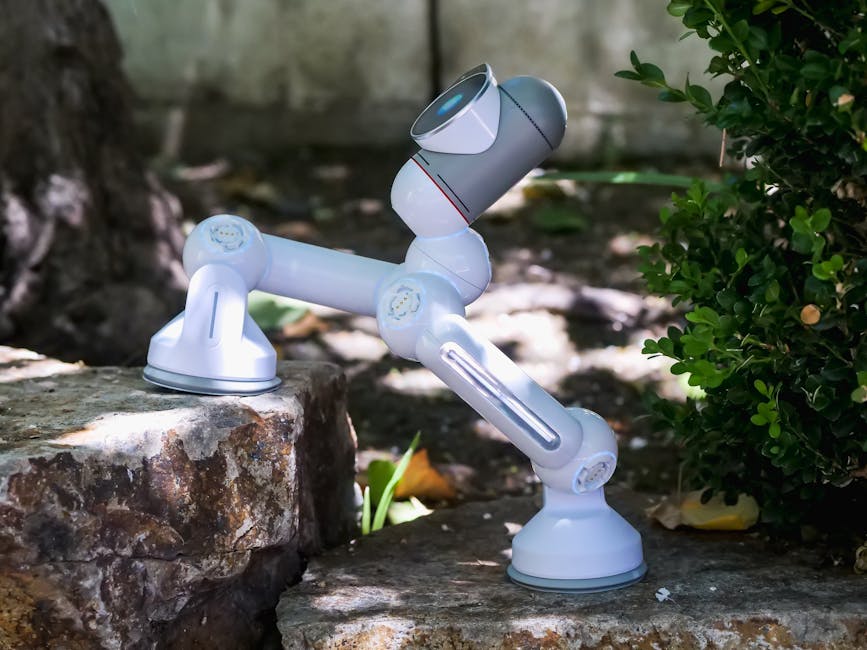
A small, modern robot climbing stone steps outdoors, showcasing advanced robotics technology. (Foto: Kindel Media / Pexels)
Designing Eco-Friendly Workspaces
Creating sustainable workspaces involves more than just reducing energy consumption or minimizing waste. With the advent of workspace automation, companies can optimize resources and streamline operations to foster eco-friendly practices. These AI-enhanced environments utilize intelligent systems to monitor energy usage, adjust lighting based on occupancy, and regulate climate control efficiently. This user-centric design ensures that sustainability is ingrained into daily operations, leading to responsible resource management and a smaller carbon footprint.
For instance, smart lighting systems in Autonomous AI Workspaces can dim or brighten based on natural light availability, as a result conserving energy. Similarly, intelligent climate control systems adapt to the number of people in the workspace, ensuring optimal energy usage without compromising comfort. These technologies not only contribute to the sustainability in workspaces but also enhance employee well-being by creating a comfortable and responsive environment.
The Role of AI in Promoting Sustainability
AI Workspaces are pivotal in advancing the future of work through sustainable practices. By automating routine tasks and managing resources intelligently, these systems help reduce waste and improve energy efficiency. The transformation brought by workspace transformation not only supports sustainability goals but also promotes a culture of responsibility among employees. As companies adopt these technologies, they can better align with global sustainability standards and position themselves as leaders in eco-friendly innovation.
Moreover, the integration of adaptive technology within these workspaces allows for continuous improvement and innovation. For example, machine learning algorithms can analyze usage patterns and suggest further optimizations, ensuring that the work environment remains at the forefront of sustainability initiatives. This adaptability is crucial as businesses strive to meet evolving environmental regulations and consumer expectations.
Caution: While Autonomous AI Workspaces offer sustainability benefits, they also present challenges such as potential job displacement and increased energy demands due to AI infrastructure. Balancing these aspects is crucial for certainly sustainable development. Companies must ensure that the deployment of these technologies includes strategies for workforce transition and energy-efficient AI solutions. This thorough approach will help mitigate potential drawbacks, making the journey toward sustainable and innovative workspaces more feasible and effective.
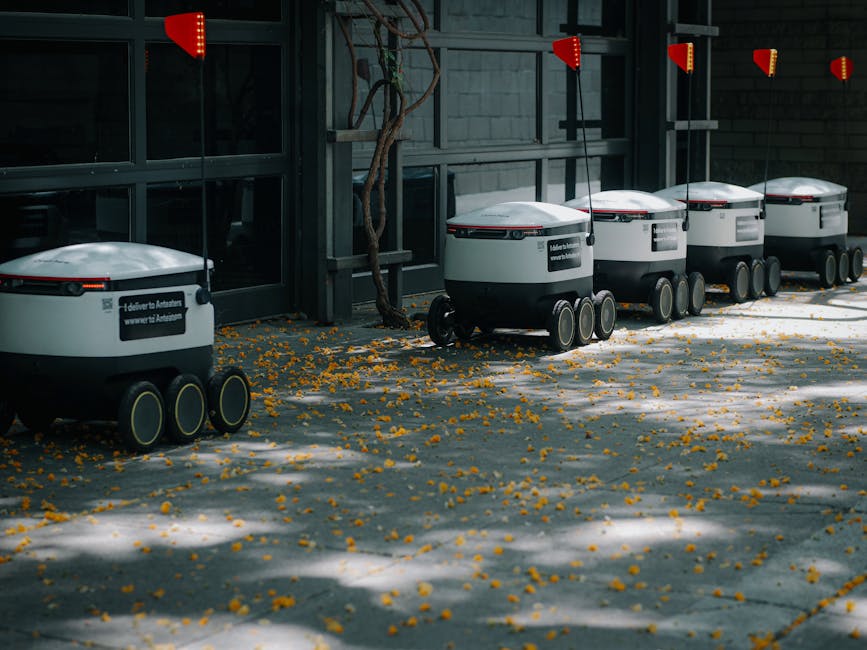
Autonomous delivery robots lined up outdoors showcasing modern transportation technology innovations. (Foto: Kindel Media / Pexels)
Integrating AI into Workspaces
Integrating AI into workspaces is a transformative process that involves strategic planning and execution. By incorporating AI technologies, businesses can often achieve improvements in efficiency and productivity, paving the way for the future of work.
Steps for Successful AI Implementation
To successfully implement Autonomous AI Workspaces, organizations must follow a structured approach. First, they should conduct a comprehensive assessment of current work processes to identify areas where workspace automation can yield the most benefits. This evaluation helps in prioritizing which tasks to automate and sets clear objectives for the AI integration in workspaces. Next, a pilot program should be launched to test the AI solutions in a controlled environment, allowing for adjustments and optimizations before full-scale deployment. Lastly, continuous monitoring and feedback mechanisms are essential to ensure that the AI systems align with organizational goals and adapt to changing needs.
Measuring the Impact of AI Solutions
Evaluating the impact of Autonomous AI Workspaces requires specific metrics that reflect both qualitative and quantitative improvements. Key performance indicators (KPIs) should include efficiency gains, error reduction rates, and employee satisfaction scores. Additionally, measuring the environmental benefits, such as reduced energy consumption, offers insights into the broader implications of AI adoption. A comparison table below illustrates typical outcomes before and after AI implementation:
| Metric | Before AI Integration | After AI Integration |
|---|---|---|
| Task Completion Time | High | Reduced by 30% |
| Error Rate | Frequent | Minimal |
| Employee Satisfaction | Moderate | Increased by 20% |
By analyzing these metrics, businesses can quantify the value of AI workspaces and make informed decisions about future investments. As we move toward the future of work, the widespread adoption of AI in the workplace will likely drive further workspace transformation, enhancing both operational efficiency and employee engagement.
Work-Life Balance in AI Workspaces
Incorporating Autonomous AI Workspaces can often offer potential for improved work-life balance by facilitating flexible work environments and supporting employee well-being. However, it's crucial to consider initial setup costs, ethical implications, and the environmental impact of AI infrastructure.
Creating a Flexible Work Environment
Autonomous AI Workspaces create opportunities for more flexible work environments by allowing employees to tailor their work schedules and locations. This adaptability is achieved through a personalized workspace that accommodates the unique needs of each worker. Key features that enhance flexibility include:
- Automated task scheduling
- Remote work capabilities
- Customizable interfaces
- Integrated communication tools
- Real-time collaboration features
- Data-driven performance analytics
These elements ensure that employees can maintain a healthy work-life balance while fulfilling their professional responsibilities. Moreover, the adaptability of AI workspaces supports diverse work styles and preferences. For example, remote work capabilities allow employees to work from home or any location of their choice, as a result reducing commuting time and enhancing productivity. Customizable interfaces enable users to set up their digital environments according to their specific needs, making the workspace certainly personalized.
The Role of AI in Supporting Employee Well-being
AI workspaces play a pivotal role in promoting employee well-being by reducing stress and workload. By automating repetitive tasks, these spaces enable employees to focus on meaningful work, which enhances job satisfaction. For instance, AI-driven insights can personalize wellness programs, offering employees tailored recommendations that align with their health and productivity goals. The integration of AI personal assistants, as explored in The Future of AI Personal Assistants in 2026, further supports this by managing daily tasks and reminders efficiently. Additionally, by utilizing data-driven performance analytics, employers can identify potential burnout signs and address them proactively, ensuring a healthier work environment.
Warning: Despite the benefits, reliance on AI systems may lead to reduced human skill development and job displacement, impacting socioeconomic structures.
To summarize, while Autonomous AI Workspaces can often offer significant advantages in terms of work-life balance and employee well-being, it's vital to address the broader implications of their integration. Balancing the technological benefits with ethical and environmental considerations will be crucial for sustainable development. As companies continue to adopt these workspaces, they must prioritize creating an inclusive work culture that values human input alongside technological advancements. By doing so, organizations can harness the full potential of Autonomous AI Workspaces while promoting a harmonious work-life balance and ensuring long-term employee satisfaction.
Future Trends in Autonomous AI Workspaces
As the market state of work continues to evolve, Autonomous AI Workspaces are at the forefront, driving significant changes in how businesses operate. This section explores the emerging technologies shaping these workspaces and how they are set to transform workplace culture.
Emerging Technologies to Watch
The future of work is being shaped by several modern technologies within Autonomous AI Workspaces. One such technology is the development of advanced machine learning algorithms, which enable workspaces to adapt and optimize their functionality continuously. These algorithms are generally expected to enhance predictive analytics, allowing businesses to anticipate needs and streamline operations with minimal human intervention. Additionally, the integration of IoT (Internet of Things) devices will further augment autonomous capabilities, enabling streamlined communication and data exchange between various systems. As these technologies mature, they will facilitate a more interconnected and efficient workspace transformation.
Anticipated Changes in Workplace Culture
Shifts in workplace culture are inevitable as Autonomous AI Workspaces become more prevalent. One significant change is the move towards a more flexible work environment, where employees have the freedom to focus on creative and strategic tasks, leaving routine processes to AI. This transformation may also lead to increased collaboration, as digital tools foster communication across geographical boundaries. However, it's crucial to consider potential challenges, such as job displacement and the need for new skill development among the workforce. Worker perspectives on these changes highlight the importance of balancing technological advancement with ethical considerations, as discussed in this study.
| Aspect | Current State | Future Trends |
|---|---|---|
| Task Management | Manual scheduling and tracking | Automated and predictive analytics |
| Data Exchange | Limited integration | Smooth IoT-enabled communication |
| Employee Roles | Task-oriented | Creative and strategic focus |
In summary, as Autonomous AI Workspaces continue to evolve, they promise to redefine both the operational and cultural aspects of businesses. By embracing these emerging technologies and addressing the socioeconomic impacts, organizations can effectively navigate this transformative era in the workspace transformation.
Frequently Asked Questions
What are Autonomous AI Workspaces?
Autonomous AI Workspaces are advanced environments where artificial intelligence systems can operate independently to perform tasks. These workspaces are designed to optimize productivity by automating repetitive tasks and streamlining workflows without human intervention.
How do Autonomous AI Workspaces benefit businesses?
Autonomous AI Workspaces enhance operational efficiency by automating routine processes, allowing human employees to focus on more strategic tasks. This can lead to increased productivity, reduced errors, and cost savings, making them a valuable asset for businesses looking to optimize their operations.
Are Autonomous AI Workspaces secure?
Yes, most Autonomous AI Workspaces are designed with solid security measures to protect sensitive data and ensure compliance with industry standards. Regular updates and monitoring are also implemented to safeguard against emerging threats and vulnerabilities.
Can Autonomous AI Workspaces integrate with existing systems?
Typically, Autonomous AI Workspaces are built to be highly adaptable and can integrate smoothly with a wide range of existing software and systems. This ensures a smooth transition and allows businesses to utilize their current infrastructure while benefiting from advanced AI capabilities.
What industries can benefit from Autonomous AI Workspaces?
Autonomous AI Workspaces are versatile and can be beneficial across various industries, including finance, healthcare, manufacturing, and retail. By automating processes and enhancing decision-making, these workspaces help organizations across sectors achieve greater efficiency and innovation.
Conclusion
Autonomous AI Workspaces are redefining modern work environments by integrating advanced AI-driven solutions that automate routine tasks and enhance productivity. These workspaces create personalized experiences by adapting to user behavior, enabling employees to focus on strategic activities and foster cohesive team collaboration, particularly in remote settings. By utilizing adaptive technologies, Autonomous AI Workspaces streamline communication, promote inclusivity, and support eco-friendly practices, thus enhancing sustainability and reducing the ecological impact. As businesses continue to embrace these innovative environments, the strategic implementation of Autonomous AI Workspaces is crucial. Organizations must consider setup costs, ethical implications, and environmental impacts to fully use the benefits. Embrace the future by exploring Autonomous AI Workspaces to transform your business operations, optimize functionality, and achieve a sustainable work-life balance.
Produced with GeckoAuthority, built for consistent SaaS content output.
Stay Updated
Get the latest SaaS and AI tool reviews delivered to your inbox weekly.


