The Future of AI Personal Assistants in 2026
The Future of AI Personal Assistants in 2026 The landscape of AI Personal Assistants 2026 is set to be a transformative era in digital interaction, promising a significant leap in technology and usabi...

The Future of AI Personal Assistants in 2026
The landscape of AI Personal Assistants 2026 is set to be a transformative era in digital interaction, promising a significant leap in technology and usability. As we look ahead, AI personal assistants are poised to become even more integral to our daily lives, seamlessly blending into personal and professional environments. This article delves into the multifaceted world of AI Personal Assistants 2026, exploring their evolving capabilities and what this means for users.
We will begin by understanding the fundamentals of AI personal assistants and their current role in technology. Following this, we will highlight the key features that make these assistants indispensable tools, and introduce the top contenders leading the industry in 2026. A comparative analysis will shed light on the distinguishing features and performance metrics across different platforms. The user experience, an essential aspect of any technology, will be examined alongside the critical issues of security and privacy. Finally, we will look ahead at future trends that will shape AI Personal Assistants 2026, providing insights into the innovations on the horizon.
Understanding AI Personal Assistants
AI personal assistants are evolving, and while they may redefine how some users manage their daily tasks and professional responsibilities by 2026, this transformation will depend on various factors. With improved AI assistant features, these tools will not only enhance productivity but also pose ethical and environmental challenges.
Definition of AI Personal Assistants
AI personal assistants are sophisticated software agents designed to facilitate various tasks by leveraging artificial intelligence. These tools help users manage schedules, perform tasks, and access information with ease, all through natural language interactions. In terms of AI assistant features, they include capabilities like voice recognition, natural language processing, and machine learning, which allow them to understand and respond to user needs effectively.
Evolution of Personal Assistant Technology
Personal assistant technology has come a long way from simple command-based systems to intelligent AI-driven platforms. The transition has been fueled by advancements in machine learning and natural language processing, enabling AI assistants to interpret complex queries. As of 2026, we anticipate AI personal assistants to handle increasingly intricate tasks, aided by top AI tools that streamline operations in both personal and professional contexts. For more on the potential of AI, explore the Ultimate Guide to AI Agent Builders: Unleash the Power of Automation.
Importance of AI Personal Assistants in Daily Life
AI personal assistants in 2026 are projected to play a pivotal role in enhancing productivity and efficiency. By integrating with AI productivity apps, they will automate routine tasks, allowing users to focus on more strategic activities. However, with this convenience come ethical considerations and potential privacy concerns, as the data used by these assistants may lead to user over-reliance and skill degradation. The energy footprint of widespread AI usage also demands attention, as it impacts sustainability.
| Feature | Current State | Future State (2026) |
|---|---|---|
| Task Management | Basic scheduling | Autonomous decision-making |
| Natural Language | Limited understanding | Near-human comprehension |
| Privacy Concerns | Moderate risk | Increased scrutiny needed |
In conclusion, while AI personal assistants in 2026 promise significant advancements, it is crucial to balance these benefits with the ethical and environmental costs associated with their deployment.
Key Features of AI Personal Assistants
As we approach 2026, AI personal assistants have the potential to significantly change how we manage tasks and enhance productivity through advanced features such as voice recognition technology, seamless integration with other tools, and personalized AI support; however, the extent of this impact will depend on various factors including user adoption and technological advancements.

Voice Recognition Technology
Voice recognition has emerged as a cornerstone of AI personal assistant technology. By 2026, these systems are expected to achieve near-human levels of understanding, allowing users to communicate naturally. This capability will enhance AI productivity apps by enabling more efficient task execution. However, as accuracy improves, privacy concerns regarding data security and voice data storage will need careful consideration to build trust and ensure ethical usage.
Integration with Other Tools
AI personal assistants are becoming increasingly versatile through integration with various platforms. AI scheduling tools will seamlessly connect with calendars, emails, and even smart home devices. This integration allows users to streamline their daily routines, illustrating the transformative power of AI assistant features. Despite these advancements, it's crucial to evaluate the environmental impact of these technologies, as increased connectivity might lead to higher energy consumption.
Personalized AI Support
Personalization is a defining trait of AI personal assistants, allowing them to adapt to individual preferences and habits. By 2026, AI personal assistant capabilities will include a more nuanced understanding of user behavior, enabling tailored recommendations and support. While this personalization enhances user experience, it also raises ethical questions about data privacy and the potential for over-reliance. Through a virtual assistant comparison, users can identify which systems best meet their unique needs, ensuring that personal assistant technology remains accessible and inclusive for all demographics.
In conclusion, the evolution of AI personal assistants in 2026 will be marked by significant strides in voice recognition, integration capabilities, and personalization, making them indispensable tools in AI productivity apps.
Top AI Personal Assistants for 2026
As we look towards 2026, the landscape of AI personal assistants promises to be more dynamic and influential than ever. This section delves into the top AI tools that are set to revolutionize how we manage tasks, boost productivity, and interact with technology.
ChatGPT: The Conversational Maestro
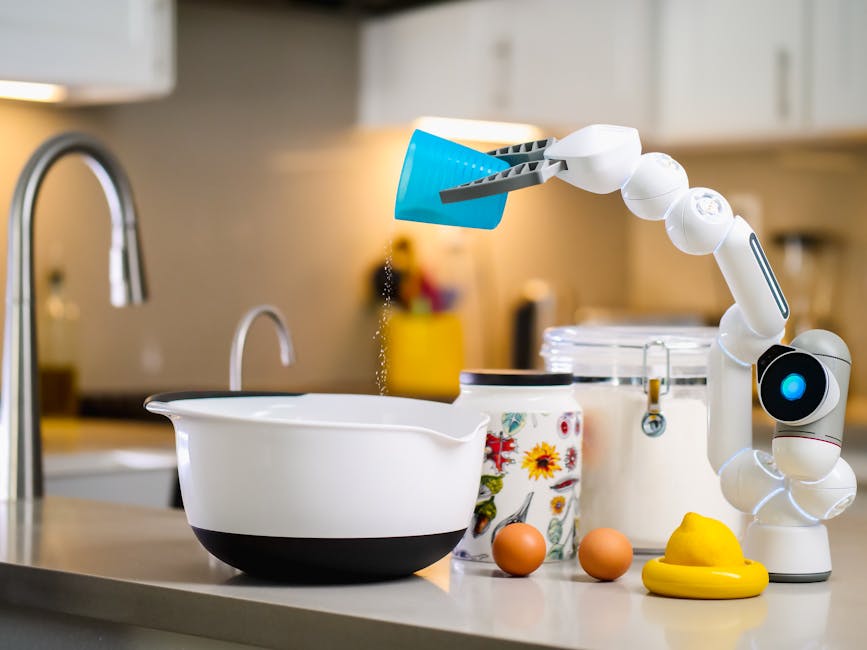
ChatGPT is often regarded as a leading AI tool for those seeking a conversational interface that excels in natural language understanding; however, its effectiveness may vary depending on user needs and specific use cases. Its advanced capabilities make it a preferred AI assistant for productivity, enabling users to interact seamlessly and intuitively. With constant updates, ChatGPT is expected to refine its responses and handle increasingly complex queries, offering a robust platform for both personal and professional environments.
AI Scheduling Tools: Masters of Time Management
AI scheduling tools are set to redefine time management by 2026, integrating deeply with calendars and task managers to provide smart suggestions and reminders. These tools enhance productivity by automating scheduling, reducing the cognitive load on users. A comprehensive virtual assistant comparison reveals that AI scheduling tools are evolving with features like predictive analytics, which anticipate user needs and optimize schedules for maximum efficiency.
Business-Focused AI Assistants
For enterprises, AI assistant for business applications are indispensable. These tools streamline operations, manage customer interactions, and automate routine tasks. As businesses increasingly rely on AI, smart assistant reviews highlight the importance of choosing solutions that balance innovation with security. The ethical implications of AI decision-making in business contexts remain a focal point for developers, ensuring that AI tools support rather than replace human judgment.
Academic Note: The development and deployment of AI personal assistants involve significant ethical considerations, particularly regarding data privacy, decision-making authority, and the potential impact on employment. As AI technology advances, continuous research is essential to address these challenges and foster responsible innovation.
A Comparative Analysis of AI Personal Assistants: Features and Performance
As we approach 2026, AI personal assistants have the potential to significantly impact both personal and professional environments, however, the extent of this revolution remains to be seen. This analysis explores the capabilities of leading AI assistants, highlighting their strengths and unique features in managing daily tasks.
ChatGPT: The Leading AI Assistant
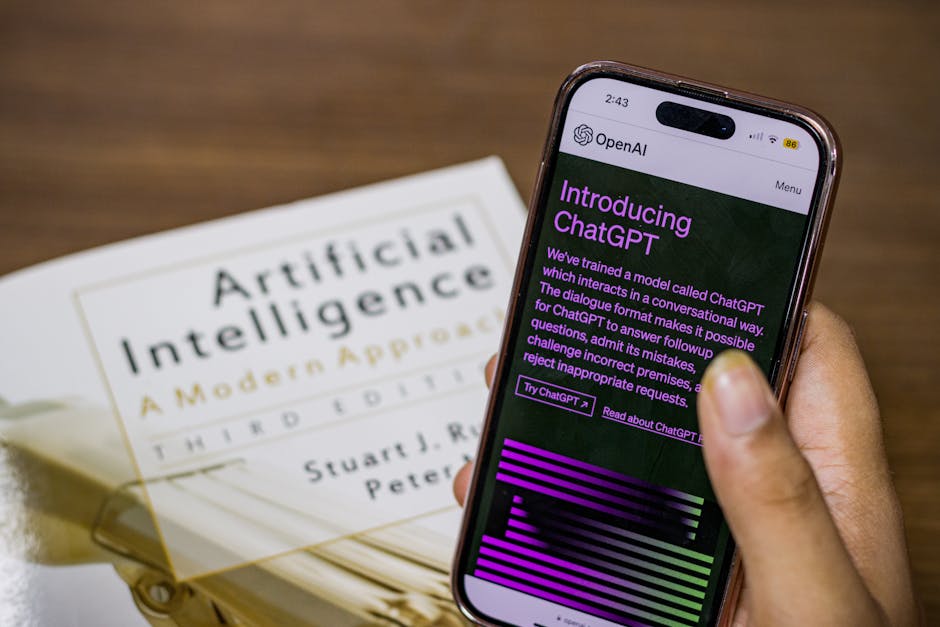
ChatGPT stands at the forefront of AI personal assistants in 2026, renowned for its advanced natural language processing capabilities. As an "AI assistant for business," it enhances productivity by automating routine tasks and providing insightful recommendations. In the realm of "virtual assistant comparison," ChatGPT excels due to its ability to understand context and offer personalized solutions, making it a popular choice among those seeking robust "task management AI" solutions. With seamless "AI assistant integration" across various platforms, it remains a top contender for users valuing efficiency.
Gemini: A New Contender
Emerging as a strong competitor, Gemini introduces innovative features that challenge established players in the "smart assistant reviews." Its strength lies in its intuitive voice-activated assistants capabilities, allowing users to interact naturally and effectively. Gemini's focus on privacy-conscious design sets it apart, addressing growing concerns about data security. As an "AI personal assistant 2026," it combines cutting-edge technology with a user-friendly interface, ensuring that even tech novices can harness its full potential. Its adaptability in diverse environments makes it a promising addition to the AI landscape.
Reclaim.ai: Smart Scheduling
Reclaim.ai specializes in smart scheduling, redefining how users manage their time. This "task management AI" provides intelligent scheduling suggestions, integrating seamlessly with existing calendars and tools. For an "AI assistant for business," Reclaim.ai offers unparalleled flexibility, ensuring that tasks are prioritized effectively. Its AI assistant integration capabilities make it indispensable for professionals juggling multiple responsibilities. As we look to 2026, Reclaim.ai's focus on streamlining schedules highlights the evolving nature of AI personal assistants, showcasing their potential to transform daily routines.
User Experience with AI Personal Assistants
The user experience with AI personal assistants in 2026 is poised to transform daily interactions through intuitive design, effective feedback mechanisms, and overcoming adoption challenges. This section explores how AI assistant integration enhances user engagement while addressing potential barriers to widespread acceptance.
User Interface Design
AI personal assistants in 2026 may significantly enhance user interface design through increased intuitiveness and accessibility; however, the actual impact will depend on various factors including user adaptation and technological limitations. By leveraging enhanced AI assistant capabilities, these tools will provide a seamless user experience, effortlessly merging functionality with simplicity. The design will focus on intuitive navigation, making it easier for users to interact with voice-activated assistants and other platforms. Additionally, the integration of personalized AI support will cater to individual needs, ensuring that users from diverse demographics can access and utilize these technologies effectively. This evolution in interface design is crucial as it directly influences user satisfaction and engagement.
Feedback Mechanisms
Effective feedback mechanisms are essential for optimizing the user experience with AI personal assistants. In 2026, these systems will incorporate real-time feedback loops that allow users to fine-tune their interactions, maximizing efficiency and satisfaction. Feedback from users will be collected and analyzed to improve AI assistant capabilities continuously. Key mechanisms include:
- Real-time error correction
- Contextual suggestions
- User-customized responses
- Learning from user preferences
- Prompt updates based on feedback
- Adaptive learning algorithms
These feedback systems will not only enhance AI assistant integration into daily routines but also boost user confidence in their AI companions.
Challenges in User Adoption
Despite the advances in AI personal assistants, challenges in user adoption persist. Privacy concerns remain a significant barrier, as users worry about data collection and security. Over-reliance on AI tools may also lead to skill degradation, prompting caution among potential users. Additionally, the potential for job displacement due to automation may deter adoption, especially in professional settings where AI assistant for business applications are prominent. Addressing these issues requires a careful balance between innovation and ethical considerations, ensuring that AI technologies serve as supportive tools rather than replacements.
Expert Opinion: As AI personal assistants evolve, ethical and environmental considerations become paramount. Ensuring that these technologies are inclusive and energy-efficient will be crucial in fostering widespread acceptance. For more details on AI Customer Support, these insights are vital as they overlap with AI personal assistant challenges.
In conclusion, the user experience with AI personal assistants in 2026 will be shaped by thoughtful design, robust feedback systems, and proactive management of adoption challenges. As AI technologies continue to advance, maintaining a focus on ethical and inclusive development will be key to their successful integration into various aspects of daily life.
Security and Privacy in AI Assistants
As AI Personal Assistants 2026 become more integral to daily life, addressing security and privacy concerns is crucial. This section explores data protection measures, user control over data, and regulatory compliance to ensure the safe integration of AI assistant capabilities.

Data Protection Measures
The future of virtual assistants may depend on robust security frameworks, however, the effectiveness of these frameworks will vary based on implementation. AI Personal Assistants 2026 must prioritize data protection to gain user trust. To achieve this, developers are implementing advanced encryption techniques and secure cloud storage solutions. These measures aim to shield sensitive information from cyber threats. Additionally, the integration of AI assistant integration with existing security protocols will enhance overall system resilience. By focusing on security and privacy, AI assistants can offer personalized AI support while safeguarding user data.
User Control Over Data
Empowering users with control over their data is essential for the ethical deployment of AI personal assistants. Users should be able to manage their information through transparent privacy settings. This includes options to customize data-sharing preferences, access stored data, and request deletions. A few key features to enhance user control include:
- Granular permission settings for data access
- User-friendly dashboards for monitoring data usage
- Real-time alerts for unauthorized access attempts
- Customizable privacy settings for AI assistant integration
- Regular updates on data protection policies
- Easy data portability options
Regulatory Compliance
Compliance with regulatory standards is non-negotiable in the evolving landscape of AI assistant trends. As these technologies advance, adhering to global privacy laws like GDPR and CCPA becomes paramount. AI Personal Assistants 2026 need to integrate compliance features into their software architecture to ensure lawful data handling. This includes regular audits, compliance certifications, and transparent reporting mechanisms. By meeting regulatory requirements, AI assistants can foster trust and pave the way for their widespread adoption.
Warning: While AI assistants offer numerous benefits, over-reliance might lead to skill degradation. Users should remain mindful of balancing AI usage with personal skill development.
As AI personal assistants evolve, addressing these security and privacy concerns will shape the future of virtual assistants. For further insights on the role of AI agents, wearable computing and the future of postsecondary education, explore this AI agents, wearable computing and the future of postsecondary.
Future Trends in AI Personal Assistants
As we approach 2026, the landscape of AI personal assistants is set to undergo significant transformations, driven by technological advancements and evolving user needs. These changes will not only enhance the capabilities of AI assistants but also introduce new ethical and practical considerations.
Advancements in AI Technology
By 2026, AI Personal Assistants 2026 are expected to leverage cutting-edge technologies to enhance their functionality. One of the most promising advancements is in natural language processing, which will allow these assistants to understand and respond to user queries more intuitively. This improvement may enable them to perform complex tasks autonomously in some situations; however, current limitations in understanding context and nuance still exist. The future of virtual assistants will also see integration with task management AI systems, making them indispensable in automating routine scheduling and planning tasks.
Increasing Personalization
The trend of personalization in AI assistants is set to expand significantly. In the coming years, AI assistants will utilize data-driven insights to tailor experiences uniquely to individual users. This shift, while beneficial for enhancing user engagement, also raises concerns about privacy and data security. As AI assistant trends evolve, users will demand more transparency and control over their personal information. Nonetheless, the potential for an AI assistant for productivity is immense, offering personalized task recommendations and reminders to streamline daily activities.
AI Assistants in Various Industries
AI personal assistants will find niche applications across diverse industries, significantly impacting sectors such as healthcare, finance, and customer service. For example, in healthcare, these assistants could manage patient appointments and provide medication reminders, while in finance, they might automate financial planning tasks. However, their integration into the workforce raises questions about job displacement and the ethical implications of AI decision-making. For a deeper understanding of how AI can transform workflows, consider exploring The Ultimate Guide to AI Workflow Automation Tools.
| Feature | Current AI Assistants | AI Personal Assistants 2026 |
|---|---|---|
| Task Complexity Handling | Basic tasks | Complex, autonomous |
| Natural Language Processing | Limited context | Advanced understanding |
| Personalization | Generic suggestions | Highly tailored insights |
As AI Personal Assistants continue to evolve, the balance between technological advancement and ethical considerations will be crucial in shaping a future where these tools enhance rather than hinder human potential.
Conclusion
In the rapidly evolving landscape of AI, personal assistants are poised to transform daily life by 2026 through enhanced capabilities and complex task management. While these advancements promise increased productivity, they also present new ethical and practical challenges.
Transformational Potential
By 2026, AI personal assistants may redefine how we approach both personal and professional tasks, depending on their development and user adoption. The integration of task management AI into daily routines will streamline operations, offering a level of efficiency previously unattainable. With the ability to autonomously handle scheduling, reminders, and even intricate problem-solving scenarios, these assistants are set to become indispensable.
Ethical and Practical Challenges
However, the rise of AI personal assistants 2026 brings with it significant ethical considerations. The power of AI in decision-making processes raises questions about accountability and privacy. For instance, who is responsible when an AI makes a critical error? Moreover, there is the potential for over-reliance, which could lead to skill degradation among users.
Environmental and Accessibility Concerns
Another angle to consider is the environmental impact of widespread AI deployment. The energy demands of running these systems are substantial, prompting concerns about sustainability. Furthermore, ensuring accessibility and inclusivity for diverse user demographics is vital to prevent creating a digital divide.
Productivity and Efficiency Gains
Despite these challenges, the potential benefits of using an AI assistant for productivity are compelling. Users will likely experience improved workflow and reduced stress, as AI systems take on repetitive and time-consuming tasks. According to a study on AI-Powered Personal Assistants for Tech Professionals: Redef, the integration of AI can significantly enhance productivity and workflow management in tech settings.
Future Outlook
Looking ahead, the focus will be on balancing the transformative powers of AI personal assistants 2026 with responsible usage. As these technologies advance, continuous dialogue around privacy, ethics, and sustainability will be essential.
Tip: As you integrate AI personal assistants into your life, remain mindful of privacy settings to protect personal data.
Frequently Asked Questions
How close are we to AI personal assistants?
AI Personal Assistants 2026 are becoming increasingly advanced, with many already integrated into our daily lives. By 2026, these AI assistants are expected to seamlessly manage schedules, automate tasks, and provide personalized recommendations with a high degree of accuracy.
What is the future of AI assistants?
The future of AI assistants is bright, with AI Personal Assistants 2026 anticipated to incorporate more sophisticated machine learning algorithms and natural language processing capabilities. This will enable them to better understand context, anticipate needs, and interact more naturally with users.
What's the best AI for a personal assistant?
While there are several contenders in the market, the best AI Personal Assistants 2026 are likely to be those that offer the most integration with other technologies and platforms. It's crucial for users to choose an AI that suits their specific needs, whether it's for business productivity or personal organization.
How will AI Personal Assistants 2026 impact privacy and security?
As AI Personal Assistants 2026 become more prevalent, ensuring privacy and security will be a top priority. Developers are expected to implement robust encryption and data protection measures to safeguard user information and maintain trust.
Can AI Personal Assistants 2026 replace human assistants?
While AI Personal Assistants 2026 can handle many routine tasks efficiently, they are unlikely to fully replace human assistants. Human intuition, emotional intelligence, and complex decision-making are areas where human assistants still have the upper hand.
Conclusion
By 2026, AI Personal Assistants will redefine productivity and task management through sophisticated advancements in voice recognition and natural language processing. These technologies promise to enhance both personal and professional efficiency, offering seamless integration with everyday tools and personalized support. However, as AI Personal Assistants 2026 become more ingrained in daily life, managing privacy and data security will be paramount to maintaining user trust. Additionally, ethical considerations surrounding decision-making processes will need careful attention. The leaders in this field, like ChatGPT, are setting benchmarks with their superior contextual understanding and intuitive design, making AI Personal Assistants 2026 indispensable for diverse users. As we approach this transformative era, it is vital for developers and users alike to prioritize ethical practices and robust security measures. Embrace the power of AI Personal Assistants 2026 to unlock new levels of productivity and innovation in your daily routine.
Produced using GeckoAuthority, a controlled AI writing environment.
Stay Updated
Get the latest SaaS and AI tool reviews delivered to your inbox weekly.


