Self-Healing AI Automation Workflows: Revolutionizing Efficiency
Self-Healing AI Automation Workflows: Revolutionizing Efficiency Self-Healing AI Automation Workflows are changing the face of efficiency in the tech world. These workflows are not just a fancy trend ...

Self-Healing AI Automation Workflows: Revolutionizing Efficiency
Self-Healing AI Automation Workflows are changing the face of efficiency in the tech world. These workflows are not just a fancy trend but a pivotal shift in how businesses manage and optimize their operations. Imagine a system that identifies its own errors, corrects them, and learns from the experience. This is the essence of self-healing technology, where AI-driven automation continuously adapts and improves, reducing downtime and enhancing productivity.
In this article, we explore the intricacies of Self-Healing AI Automation Workflows. From the foundational principles of self-healing technology to its application in test automation, each section unveils how this innovation not only boosts efficiency but also scales seamlessly with business demands. We also delve into behavior adaptation, error diagnosis, and the emerging trends that are set to redefine automation. By leveraging continuous integration, these workflows promise a future where systems are resilient and self-sustaining. As you read on, you'll discover how Self-Healing AI Automation Workflows are not just a technological advancement but a strategic asset for any forward-thinking organization.
Understanding Self-Healing Technology
Self-healing AI automation workflows are often seen as a way for businesses to manage and optimize their processes by autonomously detecting and fixing issues in real-time. This section explores what self-healing AI is, how it functions, and the benefits it offers.
What is Self-Healing AI?
Self-healing AI refers to systems that automatically identify and resolve issues within automated workflows. These systems leverage AI agents to maintain functionality without human intervention. By integrating self-healing technology into their operations, businesses can achieve greater efficiency and reliability. Self-healing AI automation workflows are not just about fixing problems but also about optimizing performance and minimizing downtime, which is crucial in today's fast-paced business environment.
How Self-Healing Works
The core of self-healing technology lies in its ability to monitor and adjust workflows dynamically. AI-driven automation continuously analyzes data to detect anomalies and initiate corrective actions. This proactive approach ensures that test automation runs smoothly, reducing the need for manual oversight. In practice, self-healing AI can recalibrate processes automatically, ensuring that systems adapt to any deviations swiftly and accurately. For example, when a workflow error is detected, the system reroutes tasks to ensure continuous operation.
Benefits of Self-Healing Technology
Incorporating self-healing AI automation workflows offers several advantages:
- Reduced Downtime: Automated troubleshooting keeps processes running smoothly.
- Cost Efficiency: Minimizes the need for manual intervention and reduces operational costs.
- Increased Productivity: Ensures uninterrupted operations, leading to higher output.
- Adaptability: Quickly adjusts to changes in the environment or workflow demands.
- Scalability: Supports growing business needs without additional resources.
Tip: To maximize the benefits of self-healing technology, ensure your team receives adequate training and understands the integration process thoroughly.
For organizations looking to stay competitive, embracing AI workflow automation tools is a strategic move. By investing in these advanced systems, businesses can enhance their resilience against disruptions and better navigate the complexities of modern digital landscapes.
The Role of AI in Automation Workflows
summary
In the ever-evolving landscape of automation, AI agents play a pivotal role in transforming traditional processes. Self-Healing AI Automation Workflows are often seen as a cornerstone in achieving streamlined operations by effectively diagnosing errors and repairing failures. By integrating self-healing technology into automated workflows, businesses can ensure continuous functionality, thus enhancing efficiency.

A robot and woman engage in chess, showcasing technology and strategic thinking. (Foto: Pavel Danilyuk / Pexels)
AI Agents in Automation
AI agents are at the heart of Self-Healing AI Automation Workflows. These intelligent systems autonomously monitor and adapt to changes, ensuring that processes remain uninterrupted. By diagnosing errors in real-time, AI agents reduce the need for constant human oversight, which allows businesses to focus on more strategic initiatives. Moreover, their capacity for iterative development means they constantly learn and improve, adapting to new challenges as they arise.
Enhancing User Experience with AI
AI-driven automation significantly enhances user experience by providing fast and reliable service. Through seamless integration, self-healing technology minimizes disruptions, allowing users to engage with systems without facing common technical hitches. As a result, customers experience more consistent service levels, leading to increased satisfaction and loyalty. This transformation is crucial in industries where customer experience directly impacts success.
Cost Benefits of AI-Driven Automation
The cost benefits of AI-driven automation are substantial. By incorporating Self-Healing AI Automation Workflows, companies can significantly cut down on expenses associated with manual troubleshooting and downtime. These systems efficiently manage resources by repairing failures automatically, thus enabling businesses to allocate human capital to more valuable tasks. The following list outlines these benefits:
- Reduced downtime and associated costs
- Lower operational overhead
- Enhanced resource allocation
- Minimized need for manual intervention
- Increased productivity and efficiency
Expert Opinion: As the integration of AI within automation workflows advances, experts emphasize the importance of maintaining a balance between AI capabilities and human oversight to ensure optimal performance and security.
Self-Healing Test Automation: A Deeper Dive
Self-healing AI automation workflows are generally seen as transforming the realm of test automation by incorporating adaptive mechanisms that can automatically repair failures. This section explores the types of self-healing mechanisms, their integration into test automation frameworks, and the challenges they present.

A close-up of a futuristic robot toy on a reflective surface against a gradient background. (Foto: Pavel Danilyuk / Pexels)
Types of Self-Healing Mechanisms
Self-healing test automation employs various mechanisms to address and fix issues autonomously. Behavior adaptation is a critical feature, allowing the system to adjust based on the observed behavior of the application. This is particularly useful in UI testing, where frequent DOM changes can disrupt traditional automation scripts. By learning and adapting to such changes, self-healing mechanisms ensure that test scripts remain functional without human intervention. These capabilities are crucial for maintaining the efficiency of self-healing AI automation workflows.
Integrating Self-Healing into Test Automation Frameworks
Integrating self-healing capabilities into existing test automation frameworks involves embedding intelligent components that can recognize and adapt to changes. This integration supports iterative development by continuously improving the automation scripts. As a result, teams can focus on strategic initiatives rather than endlessly updating test cases. Utilizing advancements such as generative AI for pipeline repair further enhances these frameworks, ensuring they are robust and adaptable.
Challenges in Self-Healing Test Automation
Despite its advantages, self-healing test automation presents challenges. One major concern is the potential for AI to misinterpret errors, leading to incorrect fixes. Additionally, over-reliance on these systems may result in skill degradation among human operators. Security vulnerabilities in AI-driven systems are another risk, as they could be exploited by malicious actors. Moreover, the cost and complexity of deploying such systems can be prohibitive for some organizations, highlighting the need for careful consideration and planning.
| Aspect | Traditional Automation | Self-Healing Automation |
|---|---|---|
| Adaptability | Low | High |
| Maintenance Effort | High | Low |
| Initial Deployment Complexity | Moderate | High |
In summary, self-healing AI automation workflows have transformed test automation by reducing the need for manual interventions and enhancing system resilience. However, organizations must navigate integration challenges and potential risks to fully realize these benefits.
Continuous Improvement and Scalability
Self-Healing AI Automation Workflows are often said to redefine how businesses approach iterative development and scalability. By leveraging advanced technologies, such as machine learning models, these workflows not only ensure seamless operation but also adapt to the dynamic demands of modern automation frameworks.
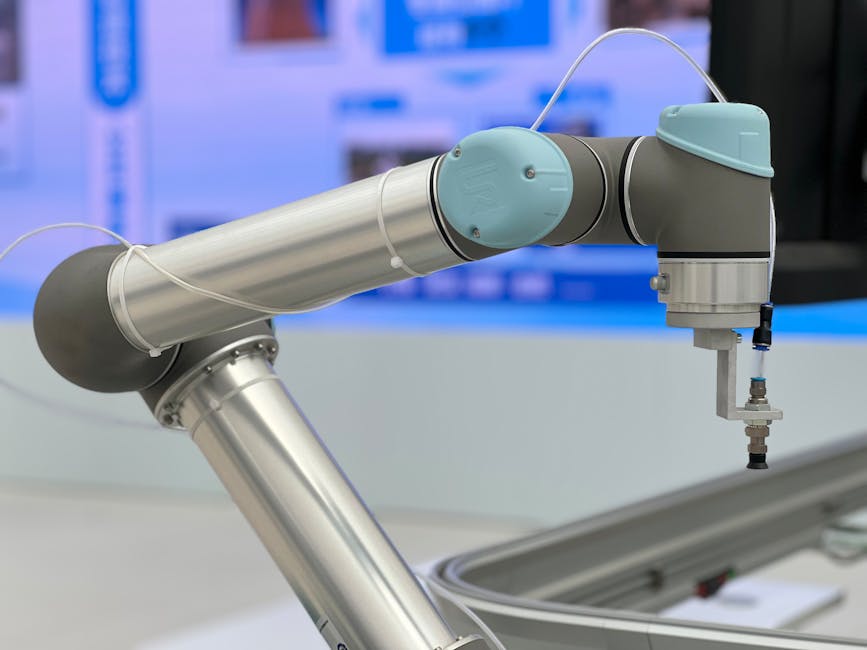
Detailed close-up of a modern industrial robotic arm in a manufacturing setting. (Foto: KJ Brix / Pexels)
Iterative Development in Automation
In the realm of automation frameworks, continuous improvement is essential. Self-Healing AI Automation Workflows facilitate this by employing machine learning models that learn from past errors. These models enable systems to continuously adapt, particularly in contexts like UI testing, where DOM changes can frequently disrupt operations. This iterative approach ensures that workflows remain resilient and adaptable, fostering an environment where systems evolve alongside changing requirements. This adaptation is pivotal for organizations aiming to maintain competitive advantages.
Scaling Self-Healing Workflows
Scalability remains a significant advantage of implementing Self-Healing AI Automation Workflows. As businesses grow, the ability to scale processes without manual intervention becomes crucial. These workflows, integrated with continuous integration practices, allow for seamless expansion across various systems. By effortlessly managing increased loads and complexity, they ensure that operations remain stable and efficient. As a result, businesses can focus on strategic growth rather than operational hurdles. This scalability is vital in industries where rapid change is the norm, aligning with ongoing business transformations, as discussed in the future of AI-powered ERP solutions.
Measuring Success in Automation Workflows
To measure success in automation, businesses must focus on key performance indicators that reflect the effectiveness of Self-Healing AI Automation Workflows. Metrics such as reduction in downtime, increased operational efficiency, and adaptability to DOM changes are critical. These indicators provide a quantitative basis for assessing how well the automation frameworks are performing. Furthermore, they highlight areas for further improvement, ensuring that the system continues to deliver value over time.
Warning: While Self-Healing AI Automation Workflows offer significant benefits, there is a risk of over-reliance that might lead to skill degradation among human operators. Ensure a balanced approach to maintain both technological and human competencies.
Behavior Adaptation in Self-Healing AI Automation Workflows
Behavior adaptation is a cornerstone of self-healing AI automation workflows, enabling these systems to dynamically respond to changing conditions and errors. By leveraging machine learning models, these workflows continuously refine their operations, enhancing the reliability and efficiency of automation frameworks in various industries. The ability of self-healing AI to autonomously adjust based on real-time data and historical patterns allows for more resilient and adaptive systems that can preemptively address challenges before they escalate into significant issues.
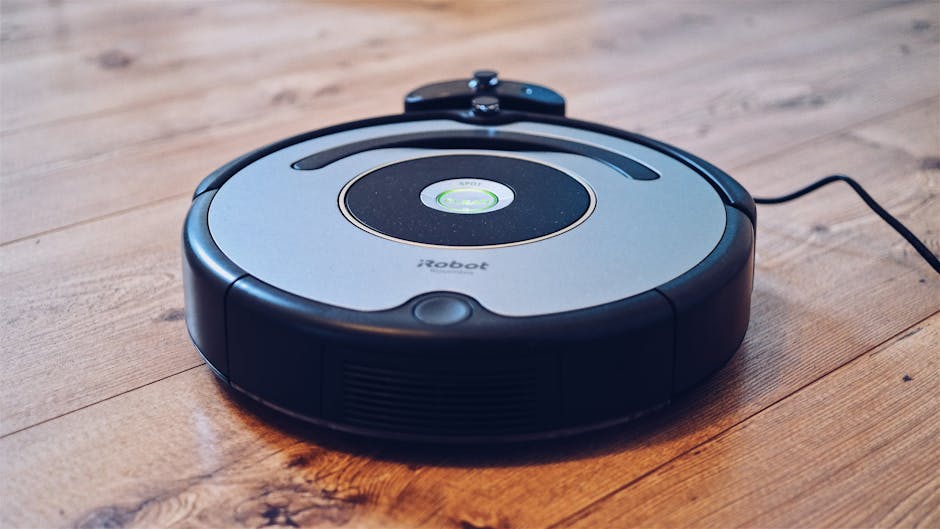
Close-up of a robotic vacuum cleaner operating on a hardwood floor, showcasing modern cleaning technology. (Foto: Jens Mahnke / Pexels)
The Role of Machine Learning in Behavior Adaptation
Machine learning models are pivotal in facilitating behavior adaptation within self-healing AI. By analyzing historical data and real-time inputs, these models enable automation workflows to autonomously adjust their processes. This allows for more precise failure detection and the application of AI diagnostics to rectify issues without human intervention. Such advanced capabilities not only streamline operations but also significantly reduce the need for constant human oversight, which can be both resource-intensive and prone to error. While these systems offer promising improvements, it's crucial to consider the learning curve and training required for effective deployment. As machine learning continues to evolve, the adaptability of self-healing AI will be essential in maintaining seamless operations across complex automation frameworks. Moreover, the ongoing enhancement of machine learning algorithms will further refine the predictive accuracy of self-healing mechanisms, ensuring that automation workflows can adapt to ever-complex environments.
Real-World Applications of Adaptive Self-Healing Workflows
In practice, adaptive self-healing workflows are transforming industries such as software testing and IT operations. For instance, in software testing environments, self-healing AI can quickly identify and fix test failures, minimizing downtime and enhancing productivity. These systems can autonomously rerun failed tests, adjust parameters, and even update scripts to prevent future failures, showcasing the profound impact of self-healing AI automation workflows on operational efficiency. In some cases, real-world case studies suggest that these systems have been implemented successfully, demonstrating reductions in manual troubleshooting and operational disruptions. However, it's important to address potential risks, such as AI misinterpreting errors or interacting unpredictably with existing systems. As more companies adopt these technologies, understanding their long-term performance and ethical implications will be vital to their successful integration into diverse industrial landscapes. By focusing on robust design and comprehensive testing, organizations can mitigate such risks and fully harness the potential of self-healing AI automation workflows for sustainable growth and innovation.
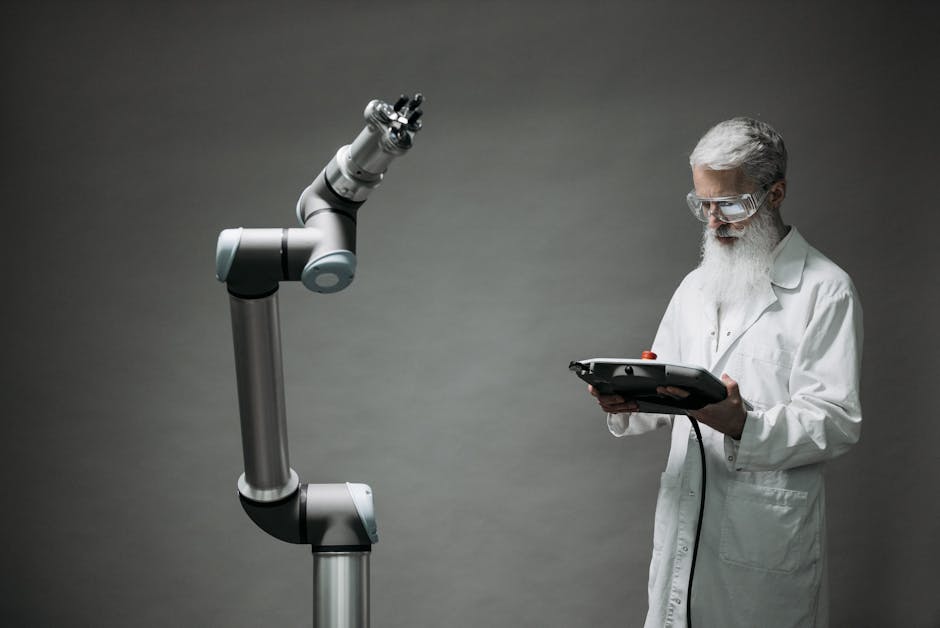
A scientist in a lab coat operates a high-tech robotic arm in a laboratory setting. (Foto: Pavel Danilyuk / Pexels)
Error Diagnosis and Repair in Self-Healing AI Automation
Self-Healing AI Automation Workflows are often seen as a way to improve how businesses handle errors in automation. By incorporating advanced error detection and repair mechanisms, these systems offer a seamless approach to maintaining workflow continuity. This section delves into the techniques that enable automated error diagnosis and repair, ensuring robust performance in various operational environments.
Automated Error Detection Techniques
In Self-Healing AI Automation Workflows, diagnosing errors is a critical step to ensure system resilience. Leveraging AI diagnostics, these workflows can autonomously identify anomalies and deviations from expected operations. By continuously monitoring system performance, these AI-driven techniques detect errors with precision, minimizing the reliance on human intervention. Such capabilities are particularly beneficial in high-stakes environments where downtime is costly. Additionally, the integration of software testing tools allows these systems to preemptively identify potential issues before they escalate, ensuring smoother operations.
For instance, in a financial trading platform where every second counts, Self-Healing AI Automation Workflows might detect an unexpected delay in transaction processing. The AI diagnostics would analyze the root cause, such as a network bottleneck or server overload, and trigger alerts before the situation worsens. This proactive approach not only prevents potential revenue loss but also upholds the reputation of the business by maintaining consistent service delivery.
Implementing Repair Mechanisms in Automation Frameworks
Once errors are detected, the next phase in Self-Healing AI Automation Workflows involves repairing failures effectively. Implementing robust repair mechanisms within automation frameworks requires a comprehensive understanding of the system architecture and the nature of potential issues. AI algorithms can automatically initiate corrective actions, addressing faults in real-time. However, it is crucial to acknowledge potential risks, such as the AI misinterpreting errors. To mitigate this, systems are designed to learn from past incidents, refining their responses over time. While the deployment of such self-healing mechanisms may involve initial complexity, the long-term benefits in reducing downtime and maintaining operational efficiency are substantial.
Consider a scenario in a manufacturing plant where a robotic arm malfunctions. The Self-Healing AI Automation Workflow would promptly identify the malfunction, diagnose whether it's a software glitch or a mechanical failure, and execute a series of pre-defined corrective actions. For instance, the system might reboot the control software or switch to a backup unit, ensuring that production lines continue to run smoothly. By learning from each incident, these systems enhance their future responses, thereby evolving into more sophisticated and reliable solutions.
Overall, the integration of Self-Healing AI Automation Workflows into business processes represents a significant advancement in operational technology. By effectively diagnosing errors and repairing failures, these workflows not only enhance productivity but also provide a competitive edge in today's fast-paced digital landscape.
Future Trends in Self-Healing AI Automation
As the landscape of AI technology continues to evolve, self-healing AI automation workflows are generally expected to play a pivotal role in reshaping various industries. By enhancing error management and reducing operational downtime, these systems are generally expected to redefine how businesses approach automation in the coming years.
Advancements in AI Technology
The rapid strides in AI-driven automation have led to more sophisticated self-healing mechanisms that can adapt to a range of environments. These advancements are crucial as they enable the systems to not only identify errors more accurately but also predict potential issues before they occur. As AI technology evolves, we anticipate even greater levels of precision and reliability in self-healing AI automation workflows.
The Shift to Autonomous Automation
Industries are witnessing a significant shift towards autonomous automation, where self-healing AI becomes integral to maintaining seamless operations. This shift is driven by the need to minimize manual intervention and boost productivity. However, it is important to acknowledge the potential risks, such as AI misinterpreting errors or security vulnerabilities. Despite these challenges, the future trends indicate that businesses are increasingly adopting self-healing AI as a key component of their automation strategies.
Preparing for an Automated Future
To thrive in an automated future, companies must invest in training and development to ensure their workforce can effectively manage and interact with self-healing AI systems. Understanding the ethical implications of reduced human oversight is equally critical. Moreover, businesses should focus on the adaptability of self-healing AI to rapidly changing environments, ensuring they remain competitive and resilient.
| Feature | Current Capability | Future Potential |
|---|---|---|
| Error Detection | Reactive | Predictive and proactive |
| Human Involvement | Moderate | Minimal |
| System Integration | Complex | Seamless |
In conclusion, self-healing AI automation workflows stand at the forefront of technological innovation, promising significant benefits while posing new challenges. As these systems continue to evolve, businesses must remain vigilant and proactive in their implementation strategies.
Leveraging Continuous Integration for Self-Healing AI Workflows
Integrating self-healing AI automation workflows with continuous integration (CI) pipelines ensures that automation systems are both adaptive and resilient. This approach helps in maintaining workflow efficiency, even amidst changing conditions like dynamic DOM structures.
Integrating Self-Healing Mechanisms with CI Pipelines
The integration of self-healing AI automation workflows into continuous integration pipelines offers a robust solution for maintaining system integrity. By embedding self-healing mechanisms into CI processes, organizations can automate the detection and correction of errors during the development cycle itself. This integration often minimizes disruptions, allowing development teams to focus on innovation rather than manual troubleshooting. Moreover, such seamless integration ensures that any changes in code or system architecture are automatically tested and validated, enhancing the overall reliability of the self-healing workflows.
For instance, consider a scenario where a software update introduces a bug that disrupts the automated testing scripts. With self-healing AI automation workflows, the system can quickly identify the anomaly and adapt by either correcting the script or notifying the team of the issue, thereby maintaining the flow of development. Such proactive measures ensure that potential setbacks are addressed swiftly, keeping the project on track.
Impact of DOM Changes on Self-Healing Workflows
Dynamic changes in Document Object Models (DOM) present unique challenges for self-healing workflows. As web applications evolve, DOM structures frequently change, which can disrupt automation scripts. However, self-healing AI automation workflows are designed to adapt to these modifications. By continuously monitoring and learning from DOM changes, these systems adjust their operations, ensuring that workflows remain uninterrupted. This adaptability not only maintains operational efficiency but also reduces the need for manual intervention, proving the value of self-healing capabilities in rapidly changing environments. As a result, organizations can achieve smoother transitions and maintain high productivity levels with minimal downtime.
Moreover, these workflows employ sophisticated algorithms to predict potential DOM changes, thereby preemptively adjusting the automation sequences. This predictive capability is a game-changer, allowing businesses to stay ahead in their development cycles. By leveraging self-healing AI automation workflows, companies can not only handle current challenges but also anticipate future ones, leading to more robust and scalable software solutions.
Frequently Asked Questions
What are Self-Healing AI Automation Workflows?
Self-Healing AI Automation Workflows are systems designed to automatically detect and resolve issues within automated processes. These workflows leverage artificial intelligence to identify anomalies and initiate corrective actions without human intervention, ensuring seamless operations.
How do Self-Healing AI Automation Workflows benefit businesses?
Self-Healing AI Automation Workflows help businesses minimize downtime and reduce the need for manual troubleshooting. By continuously monitoring processes and autonomously resolving errors, these workflows enhance efficiency and maintain consistent performance, leading to increased productivity and cost savings.
Can Self-Healing AI Automation Workflows be integrated with existing systems?
Yes, Self-Healing AI Automation Workflows can be integrated with existing systems. They are designed to work alongside current infrastructure, using advanced algorithms to learn system behavior and provide automatic solutions to common issues, thus improving overall system resilience.
What industries can benefit from Self-Healing AI Automation Workflows?
Industries such as finance, healthcare, manufacturing, and IT services can significantly benefit from Self-Healing AI Automation Workflows. These workflows are versatile and can be tailored to meet the unique needs of various sectors, ensuring operational continuity and reducing the impact of disruptions.
How do Self-Healing AI Automation Workflows improve system reliability?
Self-Healing AI Automation Workflows improve system reliability by continuously monitoring operations and quickly addressing any problems that arise. The AI component learns from each incident, enhancing its ability to prevent future issues, which results in more stable and dependable processes over time.
Conclusion
Self-Healing AI Automation Workflows are revolutionizing efficiency by autonomously detecting and resolving issues within business operations, thereby enhancing performance and minimizing downtime. These workflows leverage AI agents and machine learning to dynamically monitor, diagnose, and repair errors, reducing the need for human oversight and allowing businesses to focus on strategic growth. By integrating with continuous integration pipelines, Self-Healing AI Automation Workflows ensure that systems remain resilient and adaptable to changes, thus maintaining a competitive edge in a rapidly evolving market. As these technologies advance, they promise to transform industries by improving precision and reliability. Businesses must embrace Self-Healing AI Automation Workflows to innovate and stay ahead. Explore how these workflows can be implemented in your organization today to drive efficiency and resilience.
This post was produced using GeckoAuthority, a SaaS-focused authority tool.
Stay Updated
Get the latest SaaS and AI tool reviews delivered to your inbox weekly.


